
Auto Dent Repair
When your vehicle gets a dent, the first question that comes to mind is often about repair options. At Stuart’s Paint & Body, we’ve been helping car owners in the Dallas-Plano area for over four decades, and one of the most common questions we receive is about paintless dent repair. This innovative technique has revolutionized how we approach certain types of vehicle damage, but it’s not a magic solution for every situation.
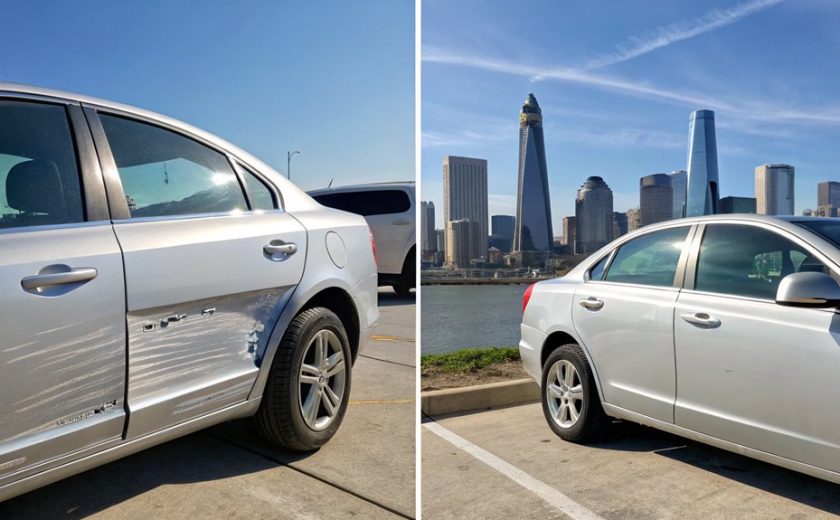
What is paintless dent repair for, exactly? This specialized technique allows us to remove minor dents and dings without affecting your vehicle’s original paint finish. By carefully manipulating the metal from behind the damaged panel, we can restore your car’s appearance while preserving its factory paint job.
Understanding Paintless Dent Repair
Paintless dent repair (PDR) is a specialized auto body technique that removes dents without disturbing your vehicle’s original paint. Unlike traditional bodywork that requires sanding, filling, and repainting, PDR works by accessing the backside of the damaged panel and carefully pushing the metal back to its original shape.
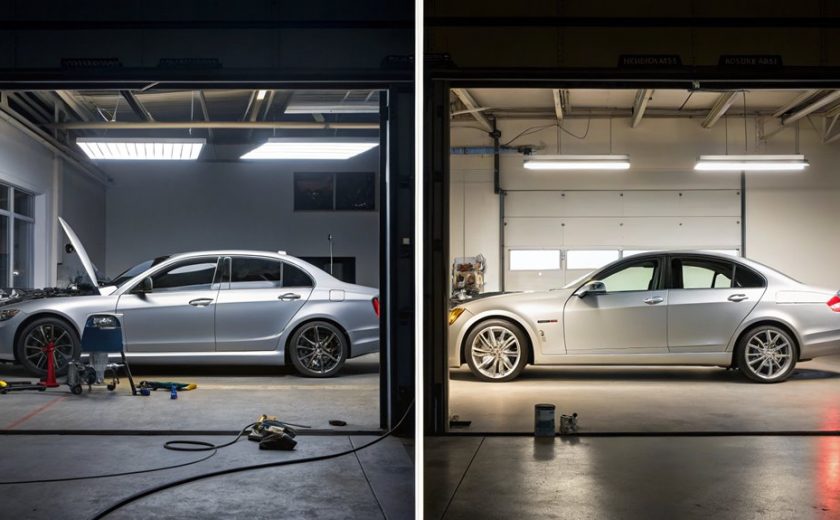
The process requires specialized tools and years of experience to master. We use metal rods, picks, and other precision instruments to gradually massage the dent out from the inside. This technique preserves your vehicle’s factory paint, which is crucial for maintaining its value and appearance.
At Stuart’s Paint & Body, our certified technicians have refined this technique over decades of practice. We understand that each dent presents unique challenges, and our experience allows us to determine quickly whether paintless dent repair is the right solution for your specific situation.
When Paintless Dent Repair Works Best
While paintless dent repair has become popular as a more affordable solution compared to traditional body work, not every dent is a candidate for paintless dent repair. The technique works exceptionally well for specific types of damage. Here are the ideal conditions:
1. Shallow Dents with Intact Paint
The paint must be completely intact with no cracks, chips, or scratches. Even minor paint damage can complicate the PDR process and may require traditional repair methods.
2. Accessible Damage Areas
We need access to the back of the damaged panel to perform paintless dent repair effectively. Areas where access is limited or blocked by structural components may not be suitable for this technique.
3. Moderate Size Limitations
Most successful PDR applications involve dents smaller than the size of a dinner plate. Larger damage areas typically require more extensive repair methods.
4. Fresh Damage
Recent dents respond better to paintless dent repair than older damage. Over time, metal can develop stress patterns that make the restoration process more challenging.
Common Applications for Paintless Dent Repair
Based on our experience at Stuart’s Paint & Body, here are the most common scenarios where paintless dent repair proves effective:
- Hail damage: Small to medium-sized hail dents are ideal candidates for PDR
- Door dings: Parking lot mishaps that create small, round dents
- Minor collision damage: Shallow impacts that don’t affect the paint
- Grocery cart bumps: Those annoying shopping cart encounters
- Sports equipment impacts: Baseball or golf ball dents
- Storm damage: Minor impacts from falling tree branches and debris

What Paintless Dent Repair Cannot Fix
Is paintless dent repair good for all types of damage? Unfortunately, no. Several factors can make PDR impossible or inadvisable:
- Paint condition – It plays a crucial role in determining PDR suitability. Any paint damage, including scratches, chips, or cracks, typically requires traditional repair methods. We cannot risk further damaging your vehicle’s finish during the PDR process.
- Deep creases – When metal forms sharp creases or the damage stretches the metal significantly, paintless dent repair becomes ineffective. These situations require traditional bodywork to properly restore the panel.
- Location accessibility – Some areas of your vehicle simply cannot be accessed from behind, making the technique impossible to execute properly.
When you bring your vehicle to a body shop, the expert technician will assess your car to determine the most suitable repair technique. At Stuart’s Paint & Body, we also take the time to help you understand paintless dent removal and why it is or isn’t the best option for your case.
The PDR Process at Stuart’s Paint & Body
Our paintless dent repair process follows a systematic approach that ensures quality results:
| Step | Process | Duration |
| 1 | Damage assessment | 15-30 minutes |
| 2 | Access point identification | 10-15 minutes |
| 3 | Tool selection | 5–10 minutes |
| 4 | Gradual metal manipulation | 30–120 minutes |
| 5 | Quality inspection | 10–15 minutes |
| 6 | Final cleanup | 10–15 minutes |
The actual repair time varies significantly based on the damage severity and location. Simple door dings might take 30 minutes, while complex hail damage could require several hours of careful work.
Cost Considerations
Paintless dent repair typically costs significantly less than traditional bodywork because it eliminates the need for materials like primer, paint, and clear coat. Labor time is also reduced since we don’t need to wait for paint to cure between coats.
However, the cost varies based on several factors. The number of dents, their size, and their location all influence the final price. Multiple small dents might cost more to repair than one larger dent due to the individual attention each requires.
At Stuart’s Paint & Body, we provide transparent pricing after thoroughly examining your vehicle. We believe in honest assessments and will never recommend paintless dent repair if traditional methods would provide better results.
Advantages of Choosing PDR
Several benefits make paintless dent repair an attractive option when applicable.
Original Paint Preservation
The preservation of original paint is perhaps the most significant advantage. Factory paint jobs are applied under controlled conditions that are impossible to replicate perfectly in an aftermarket setting. Maintaining your original paint helps preserve your vehicle’s value.
Time Efficiency
Time savings represent another major benefit. Traditional bodywork can take several days or even weeks, depending on paint curing requirements and shop scheduling. Paintless dent repair often takes hours rather than days.
Sustainability
Environmental considerations also favor PDR. The process produces no hazardous waste, requires no chemical solvents, and eliminates the need for paint materials. This makes paintless dent repair an environmentally responsible choice. It’s especially important for auto body shops that are going green.

Quality Assessment and Expectations
Is paintless dent repair good enough to make the damage completely invisible? In ideal conditions with skilled technicians, yes, the repairs can be unnoticeable. However, setting realistic expectations is important for customer satisfaction.
Perfect results depend on multiple factors working together. The damage type, metal thickness, paint flexibility, and technician skill all influence the final outcome. At Stuart’s Paint & Body, our certified technicians have the experience to achieve excellent results when conditions are favorable.
Some subtle evidence of previous damage might remain visible under certain lighting conditions, even after successful paintless dent repair. We discuss these possibilities during our initial assessment to ensure you understand what to expect.
Maintenance After PDR
Paintless dent repair requires minimal post-service maintenance, but following a few guidelines helps ensure lasting results.
Avoid washing your vehicle for 24 hours after the repair to allow any disturbed paint to settle completely. When you do wash, use gentle methods and avoid high-pressure sprays directly on the repaired area for the first week.
Regular waxing helps protect your paint and makes it easier to spot any new damage early. Since PDR preserves your original paint, maintaining it with quality products extends its life and appearance.
Industry Standards and Certification
The car repair industry has developed specific standards and certification programs to ensure quality service. At Stuart’s Paint & Body, our technicians maintain current certifications and continue their education as techniques evolve.
Professional PDR requires specialized training that goes beyond basic auto body skills. The technique demands understanding of metal properties, paint flexibility, and tool applications that take years to master properly.
We invest in ongoing training because paintless dent repair techniques continue evolving. New tools and methods regularly emerge, and staying current ensures we provide the best possible service to our customers.
Technology and Tool Advancements
Modern paintless dent repair methods benefit from technological advances in the auto industry that improve both precision and results. LED lighting systems help technicians see subtle surface variations that older fluorescent lights missed.
Specialized tools continue evolving to address specific types of damage more effectively. Custom-designed rods and tips allow access to previously unreachable areas, expanding the applications where paintless dent repair succeeds.
Digital measurement tools help ensure accuracy during the repair process. These devices detect variations in panel contours that human eyes might miss, leading to more precise results.
Making the Right Choice
Deciding whether paintless dent repair suits your situation requires professional assessment. While online resources provide general guidance, each damage situation presents unique characteristics that affect repair feasibility.
At Stuart’s Paint & Body, we perform thorough evaluations before recommending any repair approach. Our four decades of experience help us identify the most effective solution for your specific needs, whether that’s paintless or traditional dent repair.
We consider factors beyond just the immediate damage, including your vehicle’s age, value, and your personal preferences. Sometimes, traditional methods provide better long-term results even when PDR is technically possible.
Final Thoughts
Paintless dent repair represents an excellent solution for certain types of vehicle damage. When conditions align properly, this technique preserves your original paint while restoring your vehicle’s appearance efficiently and cost-effectively.
However, is paintless dent repair good for every situation? The honest answer is no. Success depends on damage type, location, and severity factors that require professional evaluation to assess properly.
At Stuart’s Paint & Body, our certified technicians bring over 40 years of experience to every repair decision. We’re committed to providing honest assessments and quality workmanship, whether that involves paintless dent repair or traditional bodywork methods.
Contact us today to schedule your free damage assessment and discover the best repair solution for your vehicle.
Pricing mentioned in this article is subject to change and may vary based on specific damage conditions and vehicle requirements.