
Auto Repair
Getting your vehicle back after a collision repair feels like a relief, but the journey doesn’t end there.
At Stuart’s Paint & Body, we understand that knowing how to maintain a car after collision repair is just as important as the repair work itself.
With over 40 years of experience serving clients across Texas, we’ve seen firsthand how proper post-repair maintenance can extend the life of your vehicle and protect your investment. We’ve learned that maintaining a car after collision repair requires attention to detail and consistent care.
Whether your vehicle underwent minor bodywork or extensive reconstruction, following the right maintenance practices ensures your car performs safely and looks great for years to come.
Understanding Post-Collision Vehicle Needs
When a vehicle undergoes collision repair, multiple systems often require attention beyond what’s immediately visible. Paint, metal, electrical components, and mechanical parts all need time to settle and cure properly.
Maintain the car after collision repair practices focus on protecting these newly repaired areas while monitoring for any signs of issues.
Modern collision repair involves sophisticated techniques and materials. Paint systems, for example, continue to cure for weeks after application. Understanding this process helps you take better care of your freshly repaired vehicle.
The repair process can affect various vehicle systems. Even minor accidents might impact alignment, suspension components, or electrical systems. Proper maintenance helps identify and address these issues early.
1. Follow the Initial Break-In Period
Every repaired vehicle needs a break-in period, similar to a new car. During the first few weeks after repair, treated areas are still settling and curing. We recommend gentle driving during this time.
Avoid high-speed driving, sudden acceleration, or hard braking for the first 500 miles after repair. This allows all components to properly seat and function together. Maintaining the car after collision repair starts with respecting this critical period.
Keep your first few car washes gentle. Hand washing with mild soap works better than automatic car washes during the initial weeks. This protects the new paint while it continues to cure and harden.
2. Monitor Paint and Bodywork Carefully
Inspection Area | What to Look For | Frequency |
|---|---|---|
Paint finish | Color matching, texture consistency | Weekly for the first month |
Panel gaps | Even spacing between panels | Monthly |
Trim alignment | Proper fit and finish | Monthly |
Rust spots | Early signs of corrosion | Every 3 months |
Fresh auto painting requires special attention during the first several months. Check for any color variations, texture differences, or early signs of problems. Quality collision repair should result in seamless integration with existing paintwork.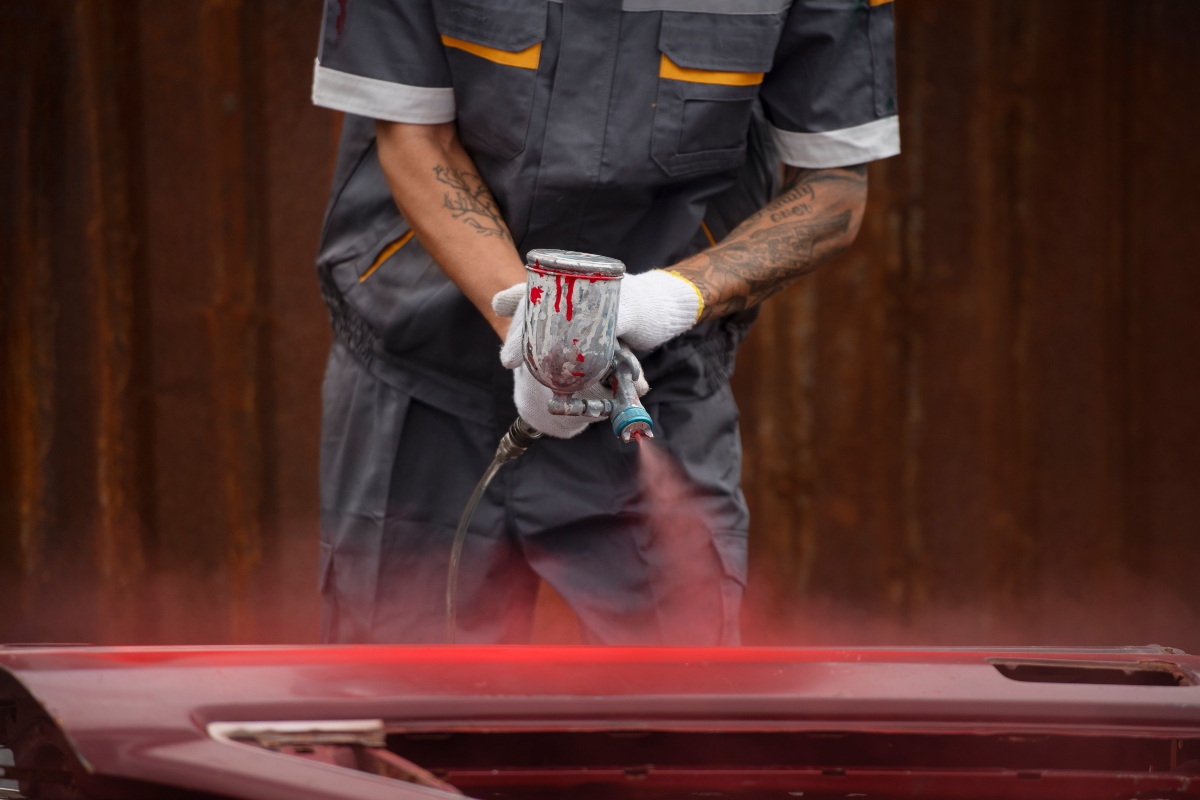
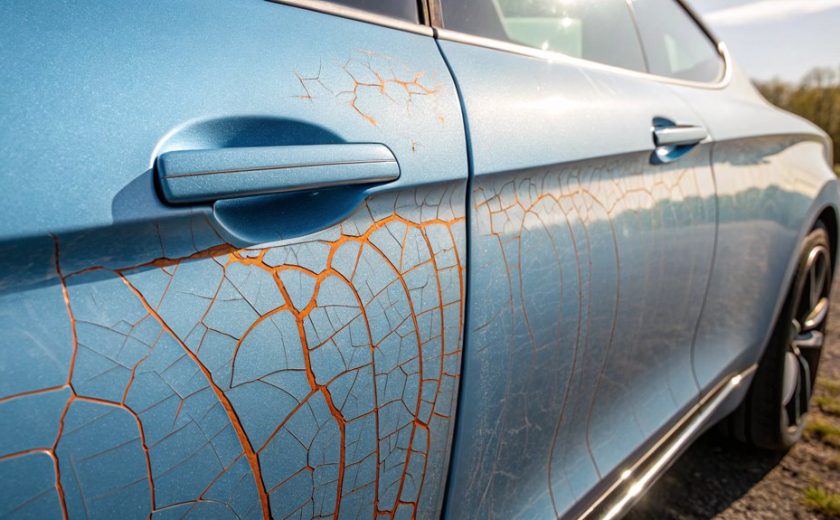
Watch for any bubbling, peeling, or discoloration in repaired areas. These issues, while rare with professional work, can indicate problems that need immediate attention. How to maintain a car after collision repair includes staying vigilant about these potential issues.
Protect the new paint with regular waxing, but wait at least 60 days before applying any wax or sealant. This gives the paint system time to fully cure and outgas properly.
3. Check Alignment and Suspension Regularly
Even minor collisions can affect vehicle alignment and suspension components. After collision repair, we recommend having your alignment checked within the first month and then every 6,000 miles.
Signs of alignment issues include:
- Vehicle pulling to one side while driving
- Uneven tire wear patterns
- Steering wheel vibration or off-center position
- Unusual tire noise while driving
Suspension problems can develop gradually after an accident. Pay attention to how your vehicle handles bumps, turns, and stops. Any changes in ride quality deserve professional inspection.
4. Maintain Electrical System Health
Modern vehicles contain complex electrical systems that can be affected during collision repair. Maintaining a car after collision repair includes regular checks of all electrical components.
Test all lights, including headlights, taillights, turn signals, and interior lighting. Check that all electronic accessories function properly, including the radio, air conditioning, and power windows.
Battery connections sometimes require attention after repair work. Corrosion or loose connections can develop, affecting overall electrical system performance. Have these checked during regular maintenance visits.
5. Follow Enhanced Cleaning Routines
Proper cleaning protects your investment and helps identify potential issues early. Maintaining a car after collision repair includes establishing good cleaning habits from the start.
Recommended Cleaning Schedule:
- Weekly: Gentle hand wash with mild soap
- Monthly: Detailed interior cleaning and inspection
- Quarterly: Professional detailing and wax application
- Annually: Paint protection treatment evaluation
Use quality car wash products designed for automotive finishes. Avoid harsh chemicals or abrasive materials that might damage new paint or bodywork.
Pay special attention to areas where dirt and moisture can accumulate. These spots are more prone to corrosion and other problems if not kept clean.
6. Schedule Regular Professional Inspections
Professional inspections help catch problems before they become expensive repairs. We recommend bringing your vehicle back for inspection 30 days after completion, then following your regular maintenance schedule.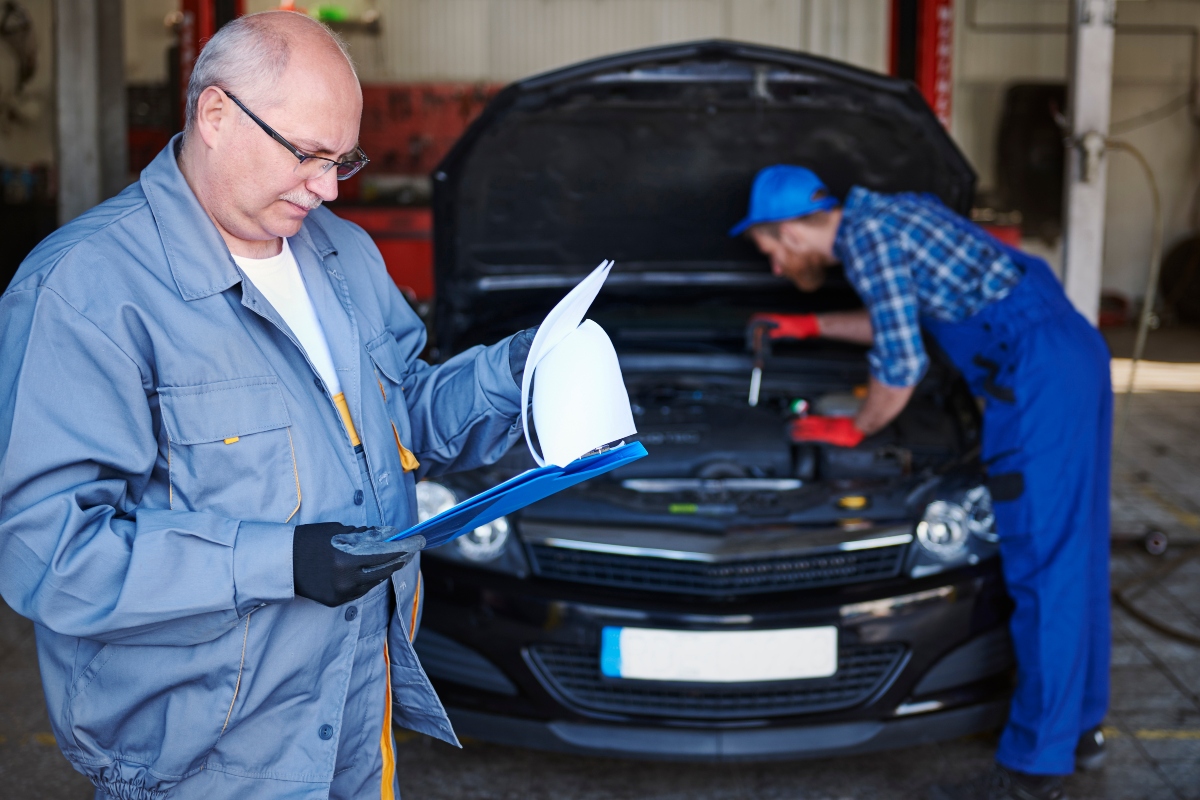
During these inspections, technicians check:
- Paint adhesion and finish quality
- Panel fit and alignment
- Structural integrity of repaired areas
- Proper function of all replaced components
Keep detailed records of all inspections and maintenance. This documentation helps track your vehicle’s condition and can be valuable for warranty claims or resale purposes.
7. Address Issues Immediately
Small problems can become major headaches if ignored. Maintaining a car after collision repair means staying proactive about addressing any concerns promptly.
Contact your repair shop immediately if you notice:
- Changes in paint appearance or texture
- New noises or vibrations while driving
- Electrical problems or warning lights
- Water leaks or moisture in unexpected areas
- Any signs of rust or corrosion
Most reputable collision repair shops, including Stuart’s Paint & Body, stand behind their work with comprehensive warranties. Don’t hesitate to use these warranties when legitimate issues arise.
Understanding Your Warranty Coverage
Quality collision repair comes with warranty protection for both parts and labor. Understanding what’s covered helps you make informed decisions about maintenance and repairs.
Typical warranty coverage includes paint work, structural repairs, and replacement parts. However, normal wear items like brake pads, tires, and fluids typically aren’t covered under collision repair warranties.
Keep all documentation related to your repair work. This includes estimates, invoices, warranty information, and any follow-up service records. Organized records make warranty claims smoother and faster.
Long-Term Maintenance Considerations
Beyond the immediate post-repair period, maintaining the car after collision repair practices should integrate with your regular vehicle maintenance routine. This means following manufacturer recommendations while paying extra attention to previously repaired areas.
Consider using higher-quality products for areas that underwent repair. Premium waxes, better oil filters, and quality replacement parts help protect your investment long-term.
Stay current with recalls and service bulletins that might affect your vehicle. Sometimes manufacturers identify issues that are more common in previously damaged vehicles.
Working with Your Repair Shop
Building a relationship with your collision repair shop benefits you long-term. At Stuart’s Paint & Body, we’ve maintained relationships with clients for decades, helping them keep their vehicles in excellent condition.
Don’t hesitate to ask questions about maintenance recommendations specific to your repair. Whether it involved paint, dent repair, or full structural work, your shop understands exactly what was performed on your vehicle.
Consider using the same shop for future needs. Familiarity with your vehicle’s repair history helps technicians provide better service and identify potential issues more quickly.
Protect Your Investment With Proper Maintenance
Maintaining a car after collision repair doesn’t have to be complicated, but it does require attention and consistency. Following these seven tips helps ensure your vehicle serves you well for years to come while protecting the investment you made in quality repair work.
At Stuart’s Paint & Body, we’re committed to helping our clients understand how to maintain their car after collision repair properly. Our 40+ years of experience, combined with certifications from Porsche, Maserati, and Subaru, along with our BBB A+ rating, demonstrate our commitment to excellence.
We proudly serve drivers across Plano, Plano Parkway, Grapevine, and Fort Worth (opening in 2026) — delivering the same trusted quality and care at every location.
Ready to learn more about proper post-repair maintenance for your vehicle? Contact us today, and let our experienced team help you protect your automotive investment!