Auto Painting
Over time, even the most carefully maintained vehicles develop paint imperfections that rob them of their original luster. Understanding what car paint correction can accomplish helps vehicle owners make informed decisions about restoring their paint’s beauty.
Vehicle paint correction is more than just polishing or waxing. It’s a systematic process that removes surface defects and restores paint to its original condition, or sometimes even better. With our BBB A+ rating and decades of experience, we’ve seen countless vehicles transform from tired and worn to showroom-fresh through proper paint correction techniques.
The science behind paint correction involves understanding how light interacts with your vehicle’s surface. When paint is perfect, light reflects uniformly, creating that deep, mirror-like finish that makes colors pop. Imperfections scatter light, causing the dull, hazy appearance that develops over time.
Understanding Paint Defects and Damage
Paint damage comes in many forms, each requiring specific correction approaches. First, you’ll have to identify the types of defects present on your vehicle’s surface.
Swirl marks are the most common paint defects, appearing as fine circular scratches that become visible under direct light. These typically result from improper washing techniques, automated car washes, or using contaminated towels and applicators.
Scratches range from light surface marks to deep gouges that penetrate multiple paint layers. The depth determines the correction approach needed, with surface scratches responding to polishing while more serious damage may require more aggressive techniques.
Water spots form when mineral-rich water evaporates on your paint, leaving behind deposits that etch into the surface. These spots can become permanent if not addressed promptly, especially on darker-colored vehicles.
Common Paint Defects:
- Swirl marks from improper washing
- Light scratches from keys, branches, or debris
- Water spots from hard water or rain
- Oxidation from UV exposure and age
- Buffer trails from previous poor correction attempts
- Chemical etching from bird droppings or tree sap
Oxidation occurs when paint loses its protective clear coat, causing a chalky, faded appearance. This process happens gradually through UV exposure and environmental contamination.
The Science Behind Paint Correction
Car paint correction works by systematically removing microscopic layers of clear coat to eliminate defects and create a uniform surface. Modern automotive paint consists of multiple layers, with the clear coat serving as the primary protection for the color layers underneath.
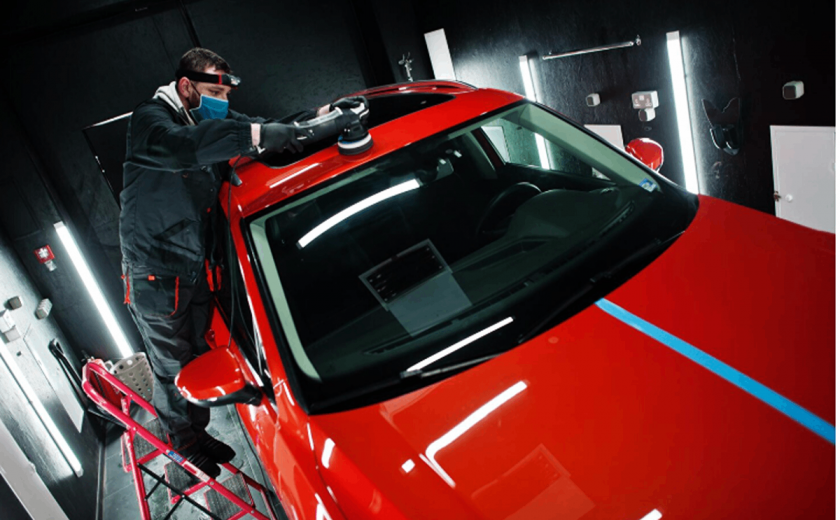
Professional correction uses progressively finer abrasives to level the paint surface. Starting with compounds that remove deeper defects, the process moves through increasingly fine polishes that refine the finish and restore gloss.
Heat generated during the correction process requires careful management. Excessive heat can damage paint permanently, while controlled heat helps products work more effectively. Professional equipment and techniques maintain optimal temperatures throughout the process.
| Correction Stage | Abrasive Level | Purpose | Expected Results |
|---|---|---|---|
| Compounding | Heavy cut | Remove deep defects | Defect elimination |
| Polishing | Medium cut | Refine surface | Improved clarity |
| Finishing | Light cut | Final gloss | Mirror-like finish |
| Protection | No cut | Seal the work | Long-lasting results |
The correction process requires understanding how different paint systems respond to various products and techniques. Single-stage paints, base coat/clear coat systems, and specialty finishes all require customized approaches.
Professional vs. DIY Paint Correction
When it comes to choosing between professional and DIY intervention, the situation with paint correction is more or less the same as with dent repair. Vehicle paint correction demands specialized equipment, products, and expertise that most vehicle owners don’t possess. Professional correction uses dual-action polishers, rotary machines, and various pad combinations to achieve optimal results safely.
Paint thickness measurement tools help professionals determine how much correction is possible without damaging the paint system. These gauges prevent over-correction that could compromise the protective clear coat.
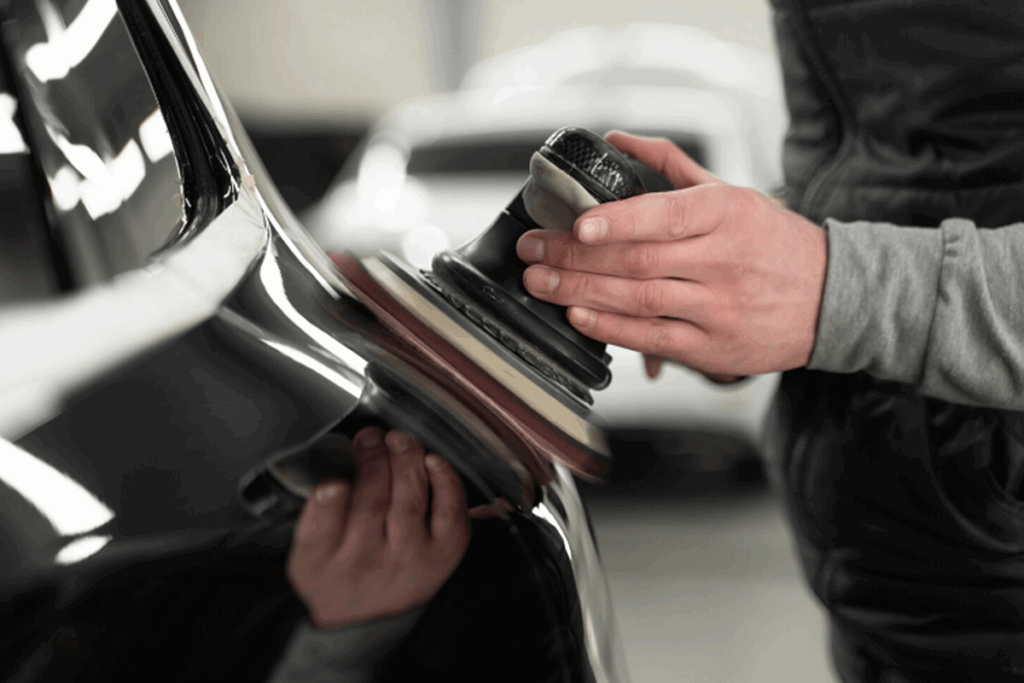
Professional correction includes proper surface preparation, which is critical for achieving lasting results. This involves thorough washing, decontamination, and sometimes clay bar treatment to remove embedded contaminants.
Professional Equipment Advantages:
- Variable speed control for different correction stages
- Proper pad selection for specific defects and paint types
- Professional-grade products with superior cutting ability
- Paint thickness measurement to prevent damage
- Controlled environment free from dust and contaminants
DIY correction attempts often create common mistakes and more problems than they solve. Improper technique can add swirl marks, create holograms, or even burn through the clear coat permanently.
The learning curve for effective paint correction is substantial. Professionals spend years developing the skills necessary to achieve consistent, safe results across different paint systems and defect types.
The Paint Correction Process
Professional paint correction involves several critical steps that build upon each other to achieve optimal results. Skipping steps or rushing the process compromises the final outcome.
Surface evaluation begins with a thorough inspection under various lighting conditions. Different defects become visible under different types of light, requiring a comprehensive assessment to develop an appropriate correction plan.
Washing and decontamination remove surface dirt and embedded contaminants that could interfere with the correction process. This step often reveals additional defects that weren’t visible under contamination.
Paint thickness measurement determines the amount of clear coat available for correction. This information guides product selection and technique choices to achieve maximum improvement safely.
Step-by-Step Correction Process:
- Initial inspection and defect documentation
- Thorough washing with proper techniques
- Decontamination using clay bars or chemical methods
- Paint thickness measurement across all panels
- Test section to verify product and technique selection
- Systematic correction working panel by panel
- Final inspection under multiple lighting conditions
- Protection application to preserve the results
Test sections help determine the most effective approach for each vehicle. Different areas of the same car may require different techniques based on defect severity and paint condition.
Working systematically prevents missing areas and ensures consistent results across the entire vehicle. Professional correction follows logical sequences that maximize efficiency while maintaining quality.
Types of Paint Correction Services
Car paint correction services range from basic single-stage enhancement to comprehensive multi-stage restoration. Understanding these options helps vehicle owners choose the appropriate level of service for their needs and budget. Additionally, always check if the repairs you need are covered by insurance.
Single-stage correction addresses minor defects and enhances gloss using a one-step polish. This approach works well for newer vehicles with minimal damage or as maintenance for previously corrected paint.
Two-stage correction uses a cutting compound followed by a finishing polish. This method handles moderate defects while achieving excellent gloss and clarity for most vehicles.
Multi-stage correction involves three or more steps for severely damaged paint. This approach can restore heavily damaged vehicles to like-new condition when performed by skilled professionals.
Paint renovation goes beyond correction to include wet sanding of deep defects before traditional correction steps. This intensive process can address damage that would otherwise require repainting.
Paint Types and Correction Considerations
Different paint systems require customized correction approaches. Vehicle paint correction techniques must account for paint hardness, thickness, and composition to achieve optimal results safely.
Single-stage paints combine color and protection in one layer. These older paint systems often respond well to correction but require careful technique to avoid removing too much material.

Base coat/clear coat systems dominate modern vehicles. The clear coat provides protection and gloss, while the base coat contains the color. Correction focuses primarily on the clear coat layer.
Specialty finishes like pearl, metallic, and matte paints present unique challenges. These finishes require specialized products and techniques to maintain their distinctive appearance characteristics.
Paint System Characteristics:
- Single-stage: Softer, easier to correct, limited thickness
- Base coat/clear coat: Harder clear coat, more correction potential
- Ceramic-enhanced: Very hard, requires aggressive cutting compounds
- Matte finishes: Cannot be polished using traditional methods
- Pearl/metallic: Requires careful technique to maintain effect uniformity
Paint hardness varies significantly between manufacturers and even model years. European paints tend to be harder than domestic or Asian paints, requiring different correction approaches.
Advanced Correction Techniques
Professional paint correction includes advanced techniques for challenging situations. Wet sanding removes deeper defects that polishing alone cannot address.
Spot repair focuses correction efforts on specific damaged areas rather than entire panels. This targeted approach saves time and reduces costs while achieving excellent results where needed most.
Color sanding addresses runs, orange peel, and other texture issues in the paint surface. This technique requires extensive experience and specialized equipment to perform safely.
Machine selection plays a crucial role in advanced correction. Rotary polishers offer more cutting power for severe defects, while dual-action machines provide safer operation for less experienced users.
Heat management becomes critical during aggressive correction. Professionals monitor surface temperatures and adjust techniques to prevent paint damage from excessive heat buildup.
Maintaining Corrected Paint
Proper maintenance preserves car paint correction results and extends the time between correction services. The investment in professional correction deserves protection through appropriate care practices.
Washing techniques become even more important after correction. Two-bucket methods, quality wash media, and proper drying prevent the reintroduction of swirl marks and scratches.
Protection products help maintain the corrected finish while providing additional gloss and depth. Quality waxes, sealants, or ceramic coatings offer varying levels of protection and durability.
Post-Correction Maintenance Schedule:
- Weekly washing using proper techniques
- Monthly protection application as needed
- Quarterly inspection for new defects
- Annual professional assessment of protection effectiveness
- Touch-up correction for minor issues before they spread
Parking habits significantly impact how long correction results last. Covered parking, avoiding tree sap, and minimizing exposure to harsh environmental conditions preserve the finish longer.
Regular inspections help identify new defects early when they’re easier and less expensive to address. Prompt attention to issues prevents minor problems from becoming major correction projects.
Cost Factors and Value Considerations
Vehicle paint correction costs vary based on defect severity, paint condition, and desired results. Understanding these factors helps vehicle owners budget appropriately for correction services.
Paint condition assessment determines the level of correction needed. Heavily damaged paint requires more time, materials, and expertise, increasing service costs accordingly.
Vehicle size affects correction time and material requirements. Larger vehicles naturally cost more to correct due to increased surface area and time requirements.
Desired outcome influences service selection. Show-quality results require more extensive correction than improvement for daily driving purposes.
The value of correction extends beyond immediate appearance improvements. Proper correction can increase resale value, extend paint life, and reduce long-term maintenance costs.
When Paint Correction Makes Sense
Paint correction includes understanding when correction provides the best value compared to alternatives like repainting or living with existing defects. It also plays a role in maintaining your car after collision repair, helping freshly refinished areas blend more naturally with the original paint.
High-value vehicles often justify extensive correction due to the cost difference compared to quality repainting. Luxury and exotic vehicles particularly benefit from a correction that preserves original paint.
Classic and collector vehicles may require correction to maintain authenticity and value. Original paint, even when imperfect, often holds more value than quality repainting for certain vehicles.
Daily drivers benefit from correction when defects impact appearance satisfaction or when planning to sell the vehicle. Correction can significantly improve marketability and value.
New vehicles sometimes need correction to address dealer damage or transportation defects. Early correction prevents these issues from becoming permanent problems.
Technology and Innovation in Paint Correction
Modern car paint correction benefits from advancing technology in both equipment and products. LED lighting systems help identify defects more accurately during inspection and correction.
Polishing compounds continue to improve with better cutting efficiency and reduced dusting. Newer formulations work faster while producing superior finishes with less effort.
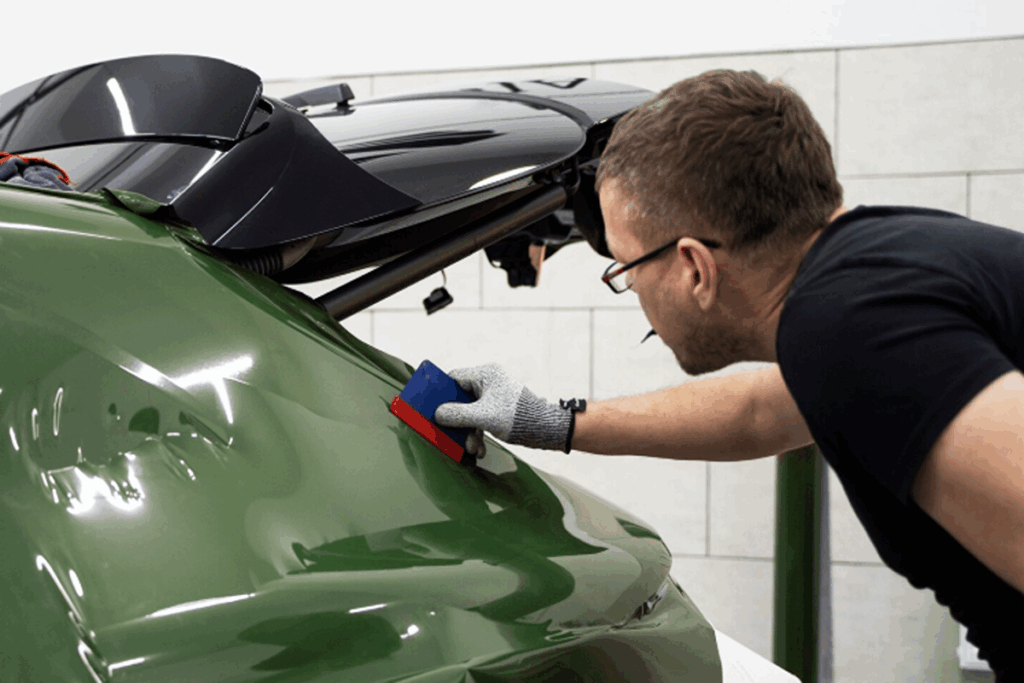
Machine technology advances include better ergonomics, variable speed control, and improved vibration dampening. These improvements help professionals work more efficiently with less fatigue.
Paint thickness measurement tools provide more accurate readings with better user interfaces. Digital gauges offer memory functions and statistical analysis to improve correction planning.
Environmental Considerations
Professional vehicle paint correction increasingly considers environmental impacts through product selection and waste management practices. Water-based compounds reduce VOC emissions while maintaining effectiveness.
Proper disposal of correction materials protects the environment while complying with regulations. More and more professional shops are going green by improving how they sort, store, and dispose of waste,
Energy-efficient equipment reduces environmental impact while often providing superior performance. LED lighting and efficient motors contribute to sustainable correction practices.
Final Thoughts
At Stuart’s Paint & Body, we’re committed to giving every customer a repair experience that feels honest, smooth, and genuinely cared for.
We offer expert collision repair, professional detailing, paintless dent repair, and a full range of additional services to make sure your vehicle looks great and drives safely again. When you trust your vehicle to our team, you’re choosing people who value quality, communication, and your complete satisfaction.
Ready for reliable, detail-driven service from a team that puts you first? Contact us today and schedule your appointment!